
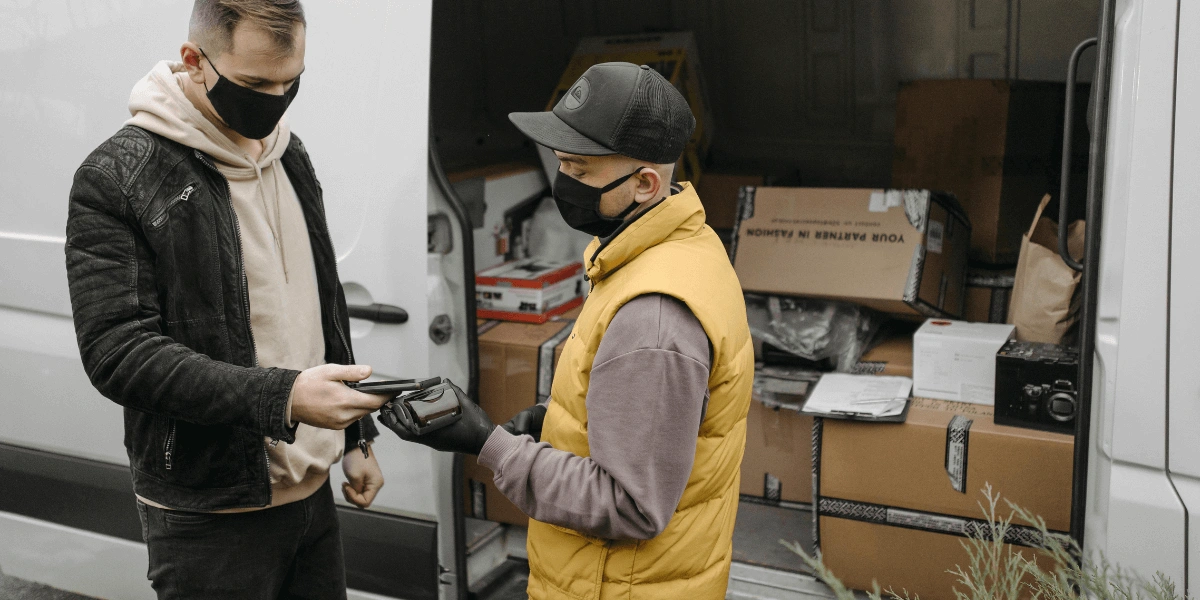
Relocating belongings within the UAE, such as between Dubai and Abu Dhabi, can pose logistical challenges due to traffic and distance. Renting a vehicle is a recommended strategy to facilitate the process, potentially reducing stress and enhancing the safety of transported items. Let’s dive into what you need to know to make the right choices.
Assessing Your Moving Requirements
Before you even start looking at rental options, take a moment to figure out precisely what you need. How much are you moving? Just a few boxes, or a whole house? In the UAE, where cities like Dubai and Sharjah are spread out, getting this right can save you time and money.
Determining the Volume of Belongings
Start by listing out everything you’re moving. This helps you estimate the space required. If you’re only carrying light items, a smaller van might do the trick. But for bulkier furniture or appliances, you’ll need something larger, like a pickup truck. Underestimating can lead to multiple trips, which nobody wants after a long day. Remember, overloading isn’t just inconvenient; it can be unsafe on UAE roads.
Planning the Distance and Route
Are you staying local in Dubai, or is this a long-distance vehicle rental to another emirate? Routes matter here. For example, the highways between Dubai and Abu Dhabi have Salik tolls, so factor those in.
If your move involves crossing emirates, check for any road restrictions or peak traffic times. Planning your path ensures you pick a vehicle that’s comfortable for longer drives and has enough fuel efficiency to keep costs down.

Choosing the Right Rental Vehicle
Once you know your needs, it’s time to select the vehicle. In the UAE, there are plenty of options from vans to trucks, but not all are created equal for transporting belongings.
Vehicle Size and Type Options
Think about capacity. A 1-ton pickup is great for smaller moves, while a 3-ton might be better for heavier loads. Cargo vans offer enclosed space to protect items from dust and weather, which is handy in the UAE’s hot climate. Always check the vehicle’s dimensions and weight limits to match your load. Companies in Dubai often have a range, so compare a few to find the best fit.
Inspecting the Vehicle Before Rental
Don’t skip this step; it’s crucial for your peace of mind. Walk around the vehicle and note any existing damage. Test the brakes, lights, and air conditioning, especially since UAE summers can be brutal. A quick inspection helps you avoid disputes when returning it. If something feels off, ask for another option. Your safety and the security of your belongings depend on a reliable ride.
Understanding Rental Costs and Fees
Money talks, right? Knowing what affects the price helps you budget better and avoid surprises.
Key Rental Vehicle Cost Factors
Several things influence the cost, like the vehicle’s size, rental duration, and mileage. In the UAE, daily rates for a basic van might start around AED 150, but add-ons push it up. Security deposits, often AED 1,000 to 3,000, are refundable but tie up your funds temporarily. Fuel policies vary; some require a full tank return, others charge for usage. Don’t forget toll fees and any extra driver charges if you’re sharing the wheel.
Budgeting for Additional Expenses
Beyond the base rate, consider insurance and maintenance. Basic coverage is usually included, but you might want more for peace of mind. If your move is long-distance, factor in higher fuel costs. Planning these extras keeps your total spend in check and lets you focus on the move itself.
Insurance and Protection Essentials
Nobody plans for accidents, but being prepared shows you care about protecting yourself and your stuff.
Exploring Rental Vehicle Insurance Options
In the UAE, rental companies provide third-party liability insurance as standard, covering damage to others. However, it might not cover the rental vehicle itself. Consider adding Collision Damage Waiver (CDW) to reduce your liability if something happens.
If you have personal car insurance, check if it extends to rentals; often, it doesn’t. For moves, extra coverage for your belongings can be a smart add-on, especially on busy roads.
Protecting Your Belongings During Transit
Insurance for the vehicle is one thing, but what about your items? Some policies offer cargo protection, which is worth it for valuable stuff. Always read the fine print to understand what’s covered. This way, if the unexpected happens, you’re not left dealing with big bills.
Loading and Securing Your Items Safely
Getting your belongings into the vehicle correctly is key to a smooth trip. Done poorly, it could lead to damage or even accidents.
Best Practices for Loading and Securing Belongings
Load heavy items first at the bottom for stability. Use boxes and ropes to secure everything; you don’t want things shifting on turns. In the UAE, where roads can be fast-paced, distribute weight evenly to keep the vehicle balanced. Fill gaps with softer items to prevent movement. If you’re using a pickup, cover open loads to shield from dust and sun.
Moving Vehicle Safety Tips
Drive defensively, keep a safe distance, especially in traffic. Always wear seatbelts and avoid distractions like phones. On long hauls, take breaks to stay alert. Follow UAE rules: no tailgating, and stick to speed limits. These habits not only protect you, but also ensure your belongings arrive intact.
Legal and Documentation Requirements
Staying on the right side of the law keeps your move hassle-free.
Necessary Documents for Renting
You’ll need a valid driver’s license and an international work permit if you’re a visitor. Residents might need an Emirates ID. Age matters: usually 21+ with one year of experience. Some companies ask for a credit card for the deposit. Gather these early to avoid delays.
Complying with UAE Traffic Laws
Know the basics: seatbelts for all, no mobile use while driving. Tolls are electronic, so ensure the vehicle has a Salik tag. Parking rules vary by area; check signs to dodge fines. Following these keeps your rental experience smooth.

Returning the Vehicle Smoothly
Wrapping up the rental properly ends things on a good note.
Final Inspection and Check-Out
Clean the vehicle and refuel as required. Do another walk-around with the agent to confirm no new damage. This ensures your deposit returns quickly. If issues arise, discuss them calmly; most companies are reasonable.
Handling Any Disputes
If there’s a disagreement, refer to the agreement. Photos from the start help prove your case. Good communication usually resolves things without fuss.
Final Thoughts
Renting a vehicle for transporting belongings in the UAE doesn’t have to be stressful if you plan. By considering your needs, choosing wisely, and focusing on safety, you can make the process efficient and worry-free. Remember, the goal is to get your items where they need to be safely. If you’re in Dubai and need a dependable transport option, contact Tawheed Pickup Rental for our expert services. Our team is equipped to handle your move with care!
