
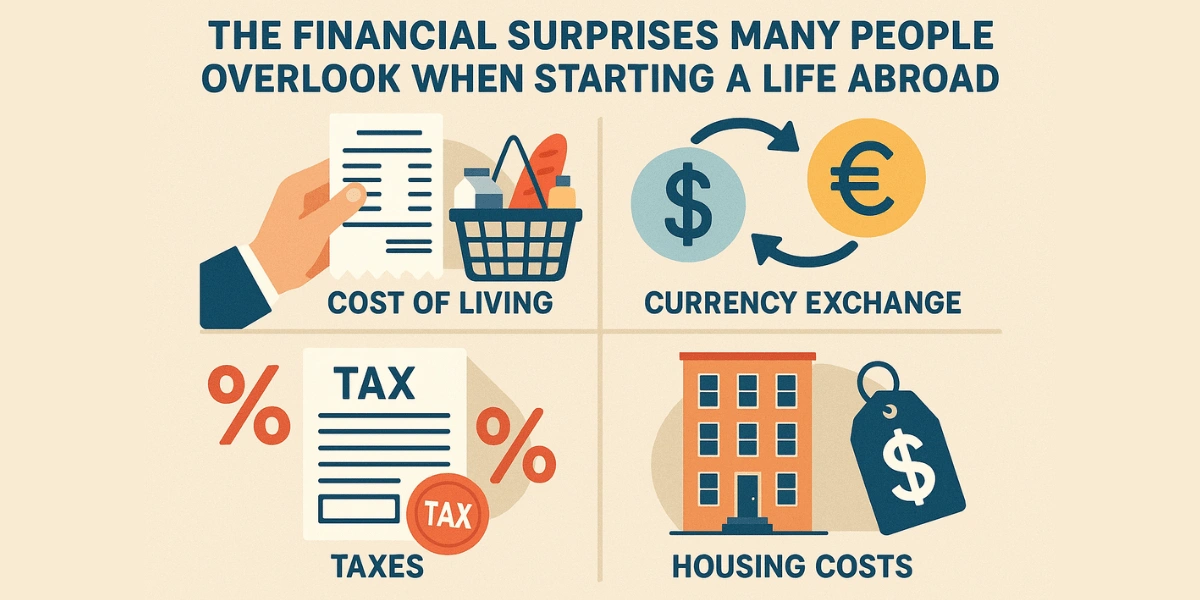
Moving overseas is exciting, but it also brings a cluster of small and medium-sized bills that add up fast. Many newcomers arrive with optimism and a one-line moving budget, then find themselves paying for things they never expected.
If you’re considering life in the UAE or are already packing, this article will guide you through the most common unexpected expenses associated with relocating overseas and provide practical ways to plan around them.
Common Categories of Overlooked Costs
1. Visa, Registration, and ID Costs
Visas and identity documents are not just a one-off airline formality. Residency fees, Emirates ID applications, and visa medicals often come with service fees, biometric appointments, and processing surcharges you might not have budgeted for. These add up before you even rent a flat or open a bank account.
2. Housing (Deposits, Agency Fees, and Immediate Setup)
First-month rent is rarely the only housing cost. Expect security deposits, a real estate agent’s commission (if used), utility connection deposits, and initial furniture or homeware purchases. In UAE cities, landlords often require a security deposit of one or two months’ rent and proof of income. Online cost-of-living indexes highlight rent and setup costs as some of the biggest cost-of-living-abroad surprises for newcomers.
3. Health Insurance and Medical Holdbacks
Employers in the UAE typically offer health insurance, although the levels of coverage vary. You might pay co-pays, extra for private hospitals, or cover dependents separately. If the plan is basic, consider buying extra insurance and expect to pay for initial private visits and vaccinations.
4. Shipping, Customs, and Furniture Surprises
Bringing household goods seems cheap, but it can cost more with customs, unpacking, and inspection fees. Used items are often duty-free, but new items or those lacking proper documentation can result in taxes and additional charges.
5. Banking, Currency, and Money-Flow Friction
To open a local bank account, you need a resident visa, an Emirates ID, and employer paperwork. Watch out for small fees like ATM, transfer, and foreign exchange charges, which can add up over time.
6. Hidden Government and Tax-Type Charges
The UAE has low personal taxes but charges VAT and other indirect taxes on many goods and services, which can come as a surprise to households. Always check if prices include VAT.
Top Money Mistakes People Make When They Arrive

Not Building a Realistic Buffer
Many expats budget two months of living costs; more realistic planning allows for three to six months to cover visas, deposit timing, job transitions, and initial setup.
Assuming Employer Coverage Is Complete
Some employers provide only minimal health or housing support. Confirm the exact inclusions and co-pay rules before relying on them.
Using Home-Country Banking Habits for Too Long
Delaying local bank setup or relying on foreign credit cards can result in repeated exchange fees and payment issues (landlords, schools, or telecoms often prefer local transfers).
Skipping Documentation Checks for Shipping
Failing to inventory and label items correctly can lead customs to classify household goods as new, triggering additional duties and delays.
Budgeting Tips for Life Abroad
Start with a Relocation Spreadsheet
List visa and medical costs, shipping estimates, housing deposits, first-month rents, utilities deposits, basic furniture, and school application fees. Use conservative estimates and add 15–25% as a contingency.
Use Local Cost Data
Check current rent and grocery indexes for the city you’ll live in, and update your numbers at least monthly while you plan.
Open Local Banking as Soon as Possible
Prepare your passport, visa page, and employer letter so you can open an account quickly after arrival and avoid unnecessary foreign-exchange fees.
Insure Smartly
Compare employer plans with local options to see if you need extra cover for dependents or private care. Include insurance premiums in your monthly budget.
Plan Cash Flow Dates
Map out when deposits, rent, and major bills are due so transfers and salary timing don’t collide. Keep a small local-currency emergency stash for the first weeks.
Where Financial Planning for Expats Pays Off Most
Good financial planning reduces stress, prevents late fines, and frees you to focus on settling in. Consider working with a relocation specialist or an independent financial adviser who understands cross-border issues; their advice on banking structures, remittance routes, and local compliance often saves more than their fees.
When to Seek Professional Help
If you have assets or business interests at home, consult a cross-border tax adviser. For complex shipping, talk to an international mover or customs broker. Remember the hidden costs of moving to the UAE for straightforward local pickups and to keep moving costs predictable, consider us as a trusted local option.
FAQs
Final Thoughts
Moving abroad involves planning finances, paperwork, and unexpected costs. Prepare a timeline for visas and IDs, confirm insurance and banking, get shipping quotes, and add a buffer. Proper planning helps reduce stress and protect savings while settling into your new life.
If you need local transportation for your belongings, a reliable pickup truck rental is available through Tawheed Pickup Rental. Reach out to them to compare rates and schedule a booking.
